Her words, not ours
Karen approves everything written about her, her family and her work before it appears here.
Our story
A knitted garment is one strand of wool from beginning to end. So is a family. Karen has spent her life working on both.
The maker
She knits and crochets at home in Robina, Queensland. Every piece is made once, by hand, and no two are the same.
That is the short version, and it is true, but it leaves out the part that explains everything else.
Before any of this, Karen sat down and wrote her family's whakapapa out by hand. Sixty feet of it. She did it at a wānanga on Waikawa Marae with the kaumātua, tracing the line back generation by generation so that the children coming after would know where they came from.
Then she picked up her needles and started making things for the babies at the end of that same line.
It is the same act. One thread, joining people who will never meet.
Where the family began
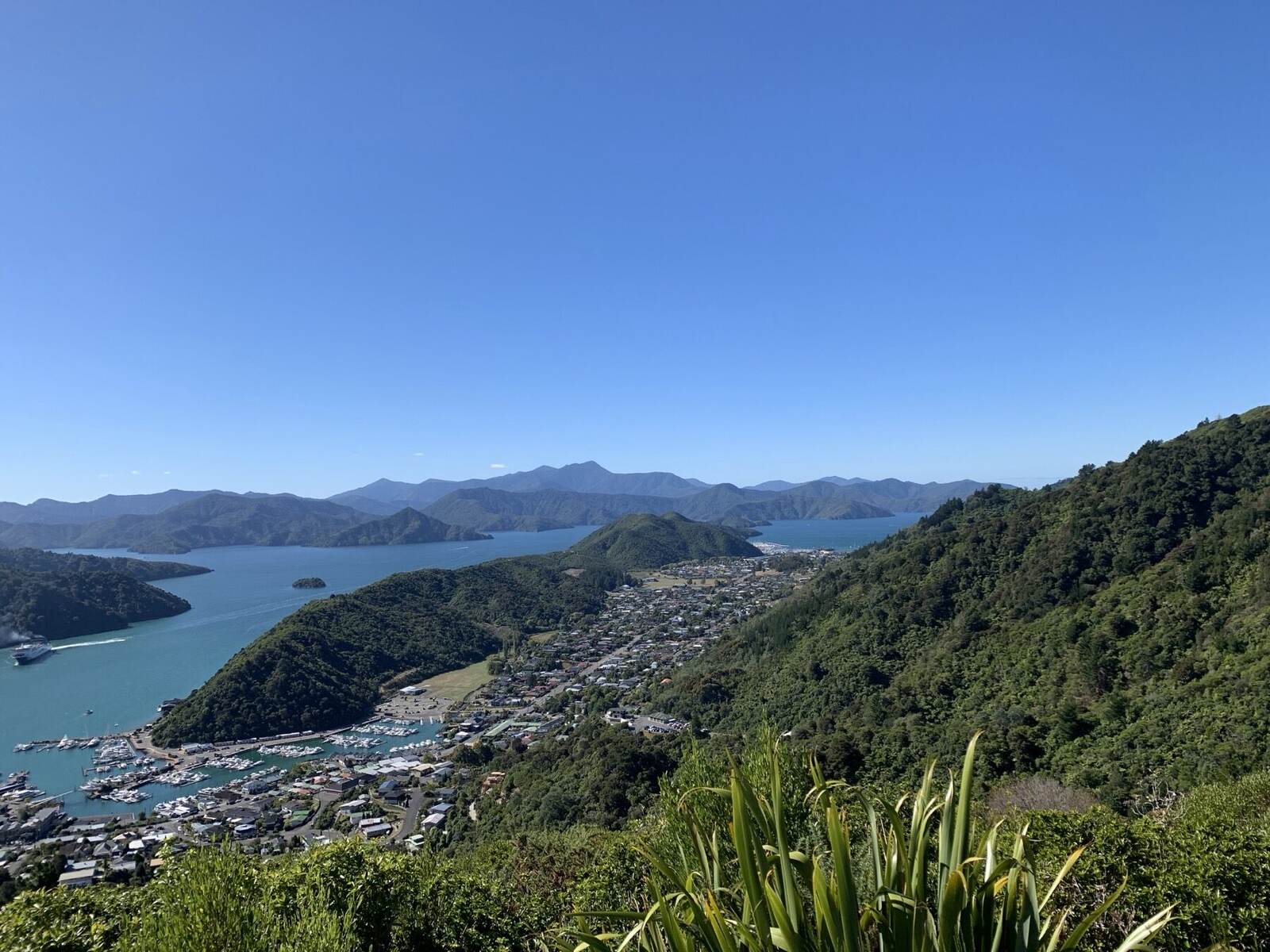
The Marlborough Sounds sit at the top of the South Island of New Zealand. Deep bays, bush down to the waterline, and water so still on a good morning that the hills come back at you upside down.
This is where the family is from. Picton, and Waikawa across the bay. Karen was born there, and so was her oldest. The younger two were born in Gisborne, and the family came back when the oldest was five and the youngest was still a baby. Picton is where they grew up.
The shop is named for that water. Te Āhuru was her father's name. Āhuru means warm and sheltered, and āhuru mōwai is a sheltered haven, the word used for the safest place a person is ever kept.
It seemed like the right name for things made to keep a baby warm.
The line, in order
A boy handed out of an orphanage. A whaleboat. A camera carried to the bottom of the world. Four women and a carved chair. A shark man in Fishing Bay. And a woman in Queensland with the needles going.
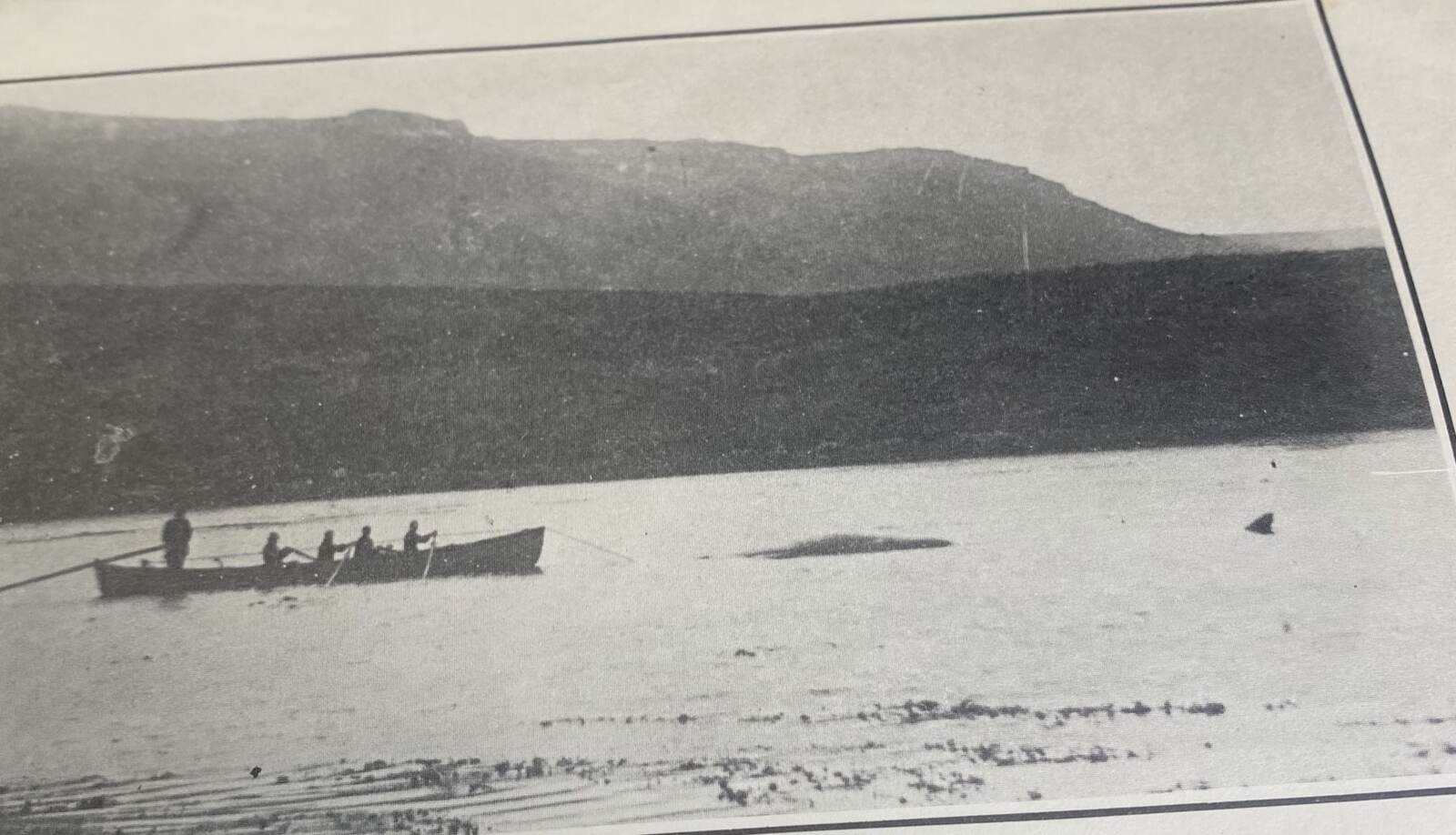
Whaling was the work at that end of the Sounds, and it had been since the 1820s. Māori families along this coast gave permission for the stations, built them, crewed the boats and grew the food. It was never something done to them.
Up to thirty two whalers and their families lived out at Fishing Bay each winter season, along the water, at the mouth of the channel where the whales came through.
12 July, at Port Underwood. She becomes Karen’s grandmother, and one of the four women who work the chair.
Hariata’s husband, and Ossie’s father. Born the same year as her.
21 June. He turns out to be the only one in the line who writes his own life down, which is the reason most of what follows can be told at all.
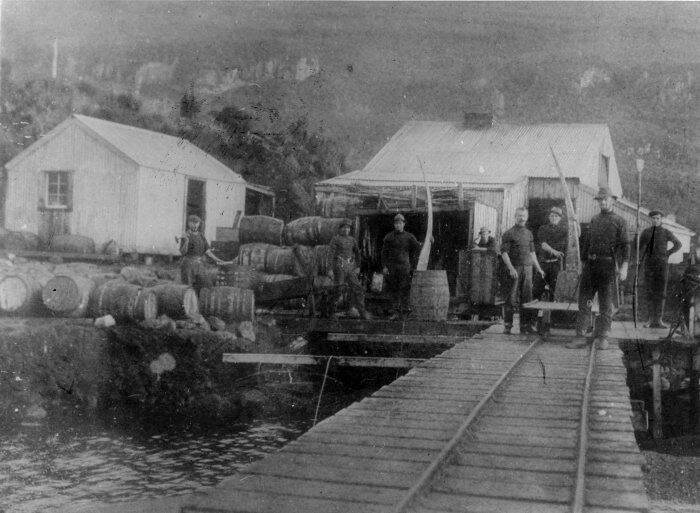
Taken from an orphanage in Nelson and given to the Godfrey family, who farmed at Whekenui in the Tory Channel. He wrote it down plainly years later. They became his family.
Six men to a boat, ten metres of it, out into the channel after whales with a hand iron.
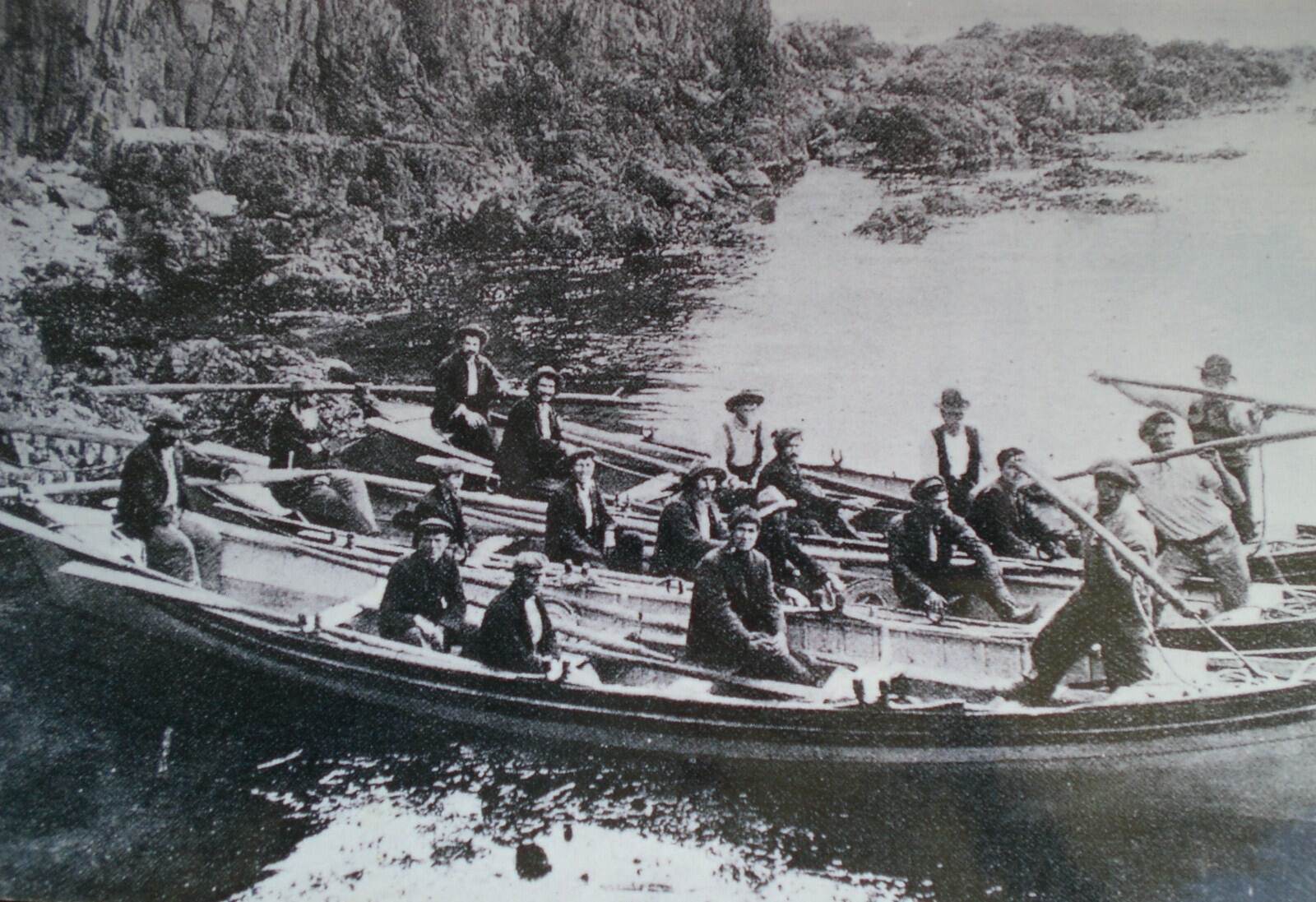
15 May, at Waikawa.
Kura Starkey. She marries Joe Timms at Kaikōura, and their daughter Doreen is Karen’s mother.
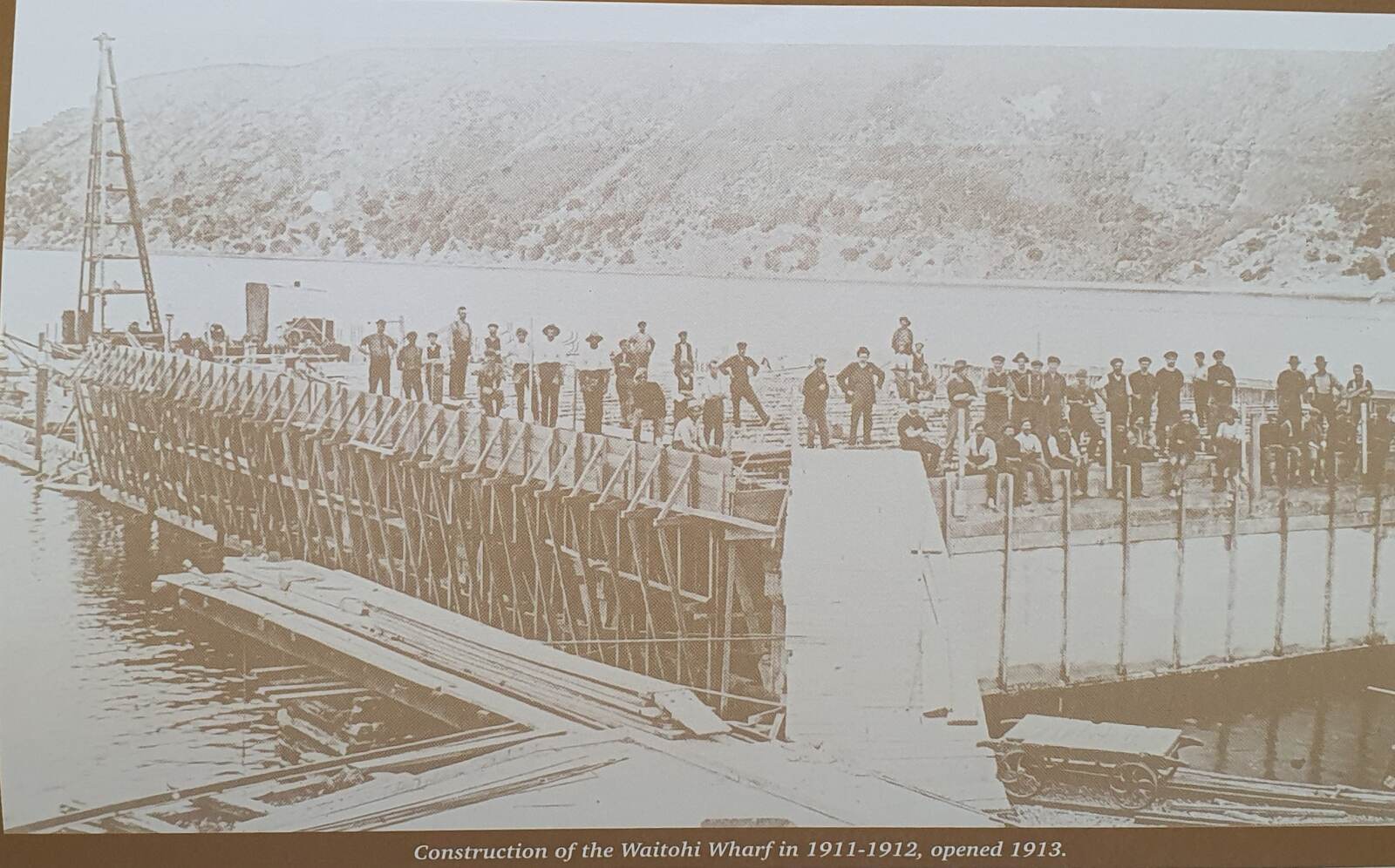
Waitohi is the older name for Picton. Half the men of the district are standing on it in this photograph, and the whole line of them stopped work to face the camera.
This is the water Karen was born beside, and the wharf her father would later work off.
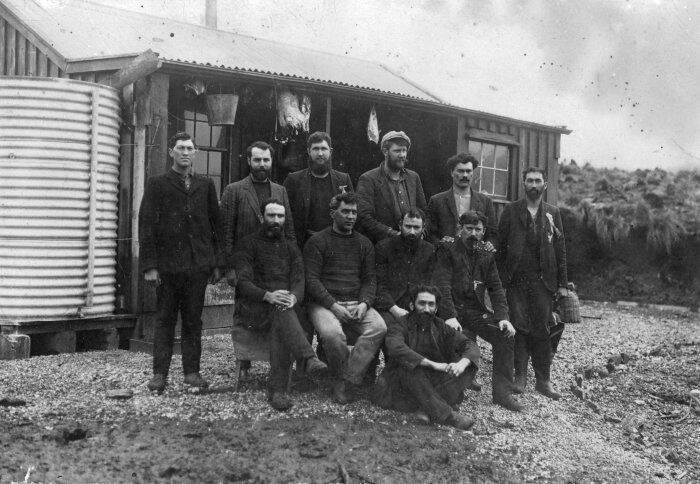
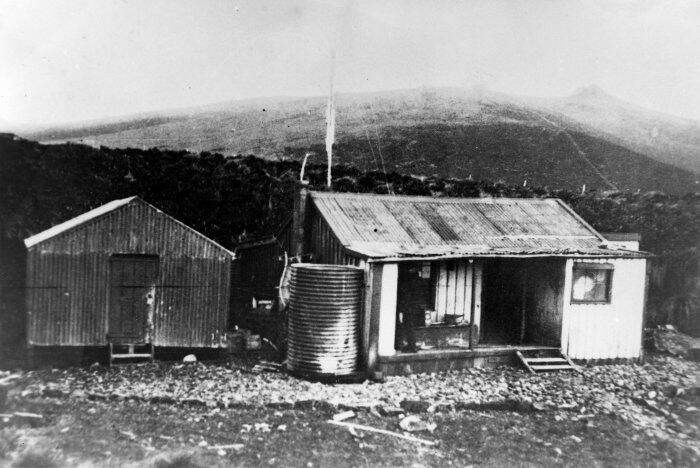
Campbell Island sits seven hundred kilometres below the bottom of New Zealand. He spent four years down there whaling, sealing and shearing sheep on the hills. The men built huts and named them. Look and Laugh. Dew Drop Inn.
He carried a bellows camera with glass plates, which is why any of this can be seen and not just read.
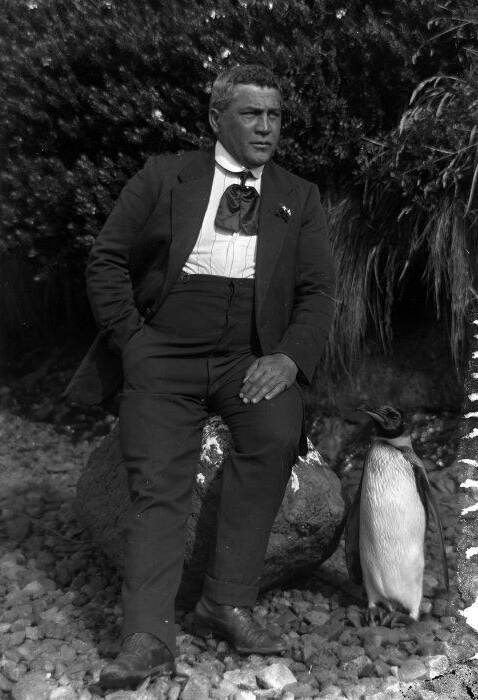
Two things he wrote about that island say everything about him.
The first is that the sea nearly took him. He was climbing down the wet rocks at Lookout Point to get a bird for the pot when three waves came in one behind the other and swept him off. He got hold of the bull kelp and held on. His mate Manny shouted down at him from above, hang on Joe, there is another one coming. He held on through it, and pulled himself back up.
The second is the penguin. The same hard crew made friends with a king penguin on the beach at North West Bay. It came inside their huts. It liked sugar, and it hated salt so much it would shut its eyes and pull its head down when anyone offered it any. When the men finally left the island they could not bring themselves to leave him behind, so they carried him off in the boat and settled him at the gardens in Oamaru.
17 June. Ossie’s elder brother, who spends thirty two years at the station and finishes as its manager.
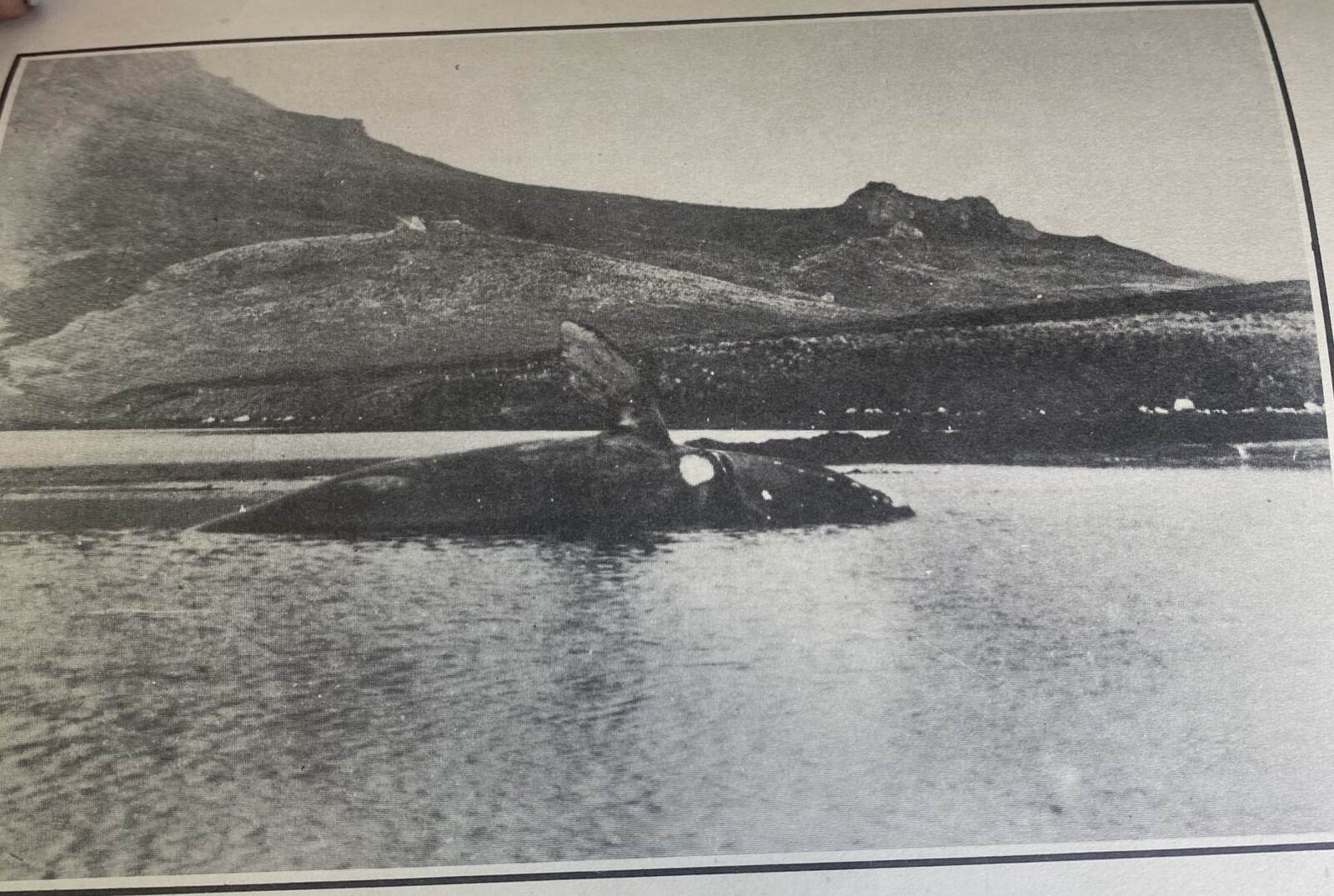
Two of his photographs are printed in a published history of that island, credited to J. Timms. They show the last whale ever taken in Perseverance Harbour. The book also prints a drawing of his launch, made from his own description of it.
His pictures, his boat, his name underneath.
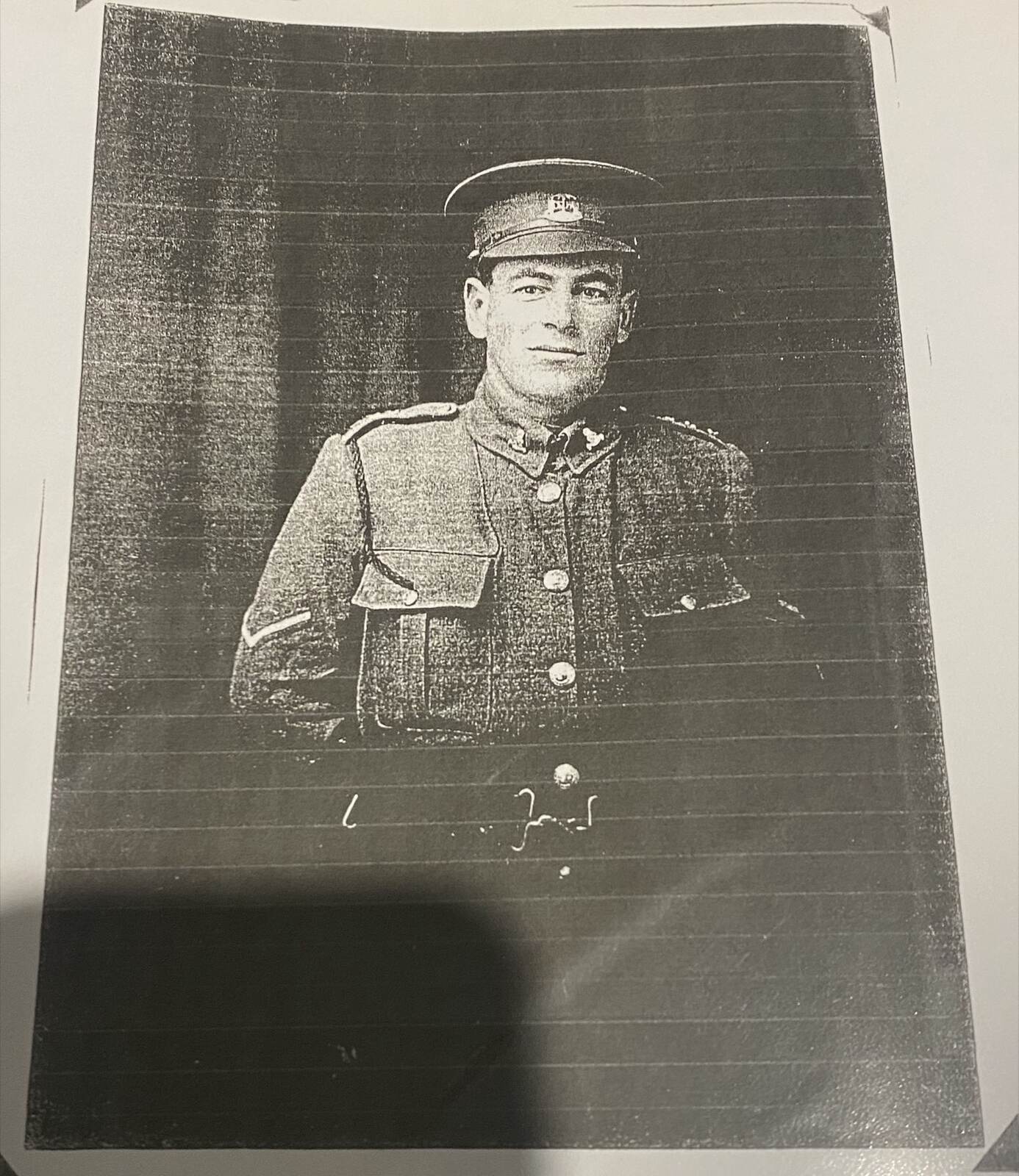
He came home in May and enlisted. Burnham Camp, the Canterbury Regiment, service number 40259. His crowd called themselves the Te Awaiti Boys and their cry was On She Follows.
He sailed out of Wellington on 2 April with the four Norton brothers. About the trenches he wrote one sentence. The time spent in the trenches was pure hell.
Shrapnel hit him on 8 August. The army’s own casualty form gives the same date he does. He spent nine months mending in a requisitioned mansion at Walton-on-Thames, and his mate Harry Norton was killed.
What he wrote about his own luck was this. At least I had two arms and two legs and would be able to work again.
He landed back in New Zealand on 25 April and was out of the army a month later. He went straight back to Te Awaiti and the whaling.
He moved down to South Bay at Kaikōura, and that is where he met her and married her.
16 September. Joe and Kura’s daughter. She marries Ossie Huntley, and she is Karen’s mother.
24 May. Hariata’s son. Karen’s father, and the shark man of Fishing Bay. His middle name carries down the line to this day, and the shop is named from it.
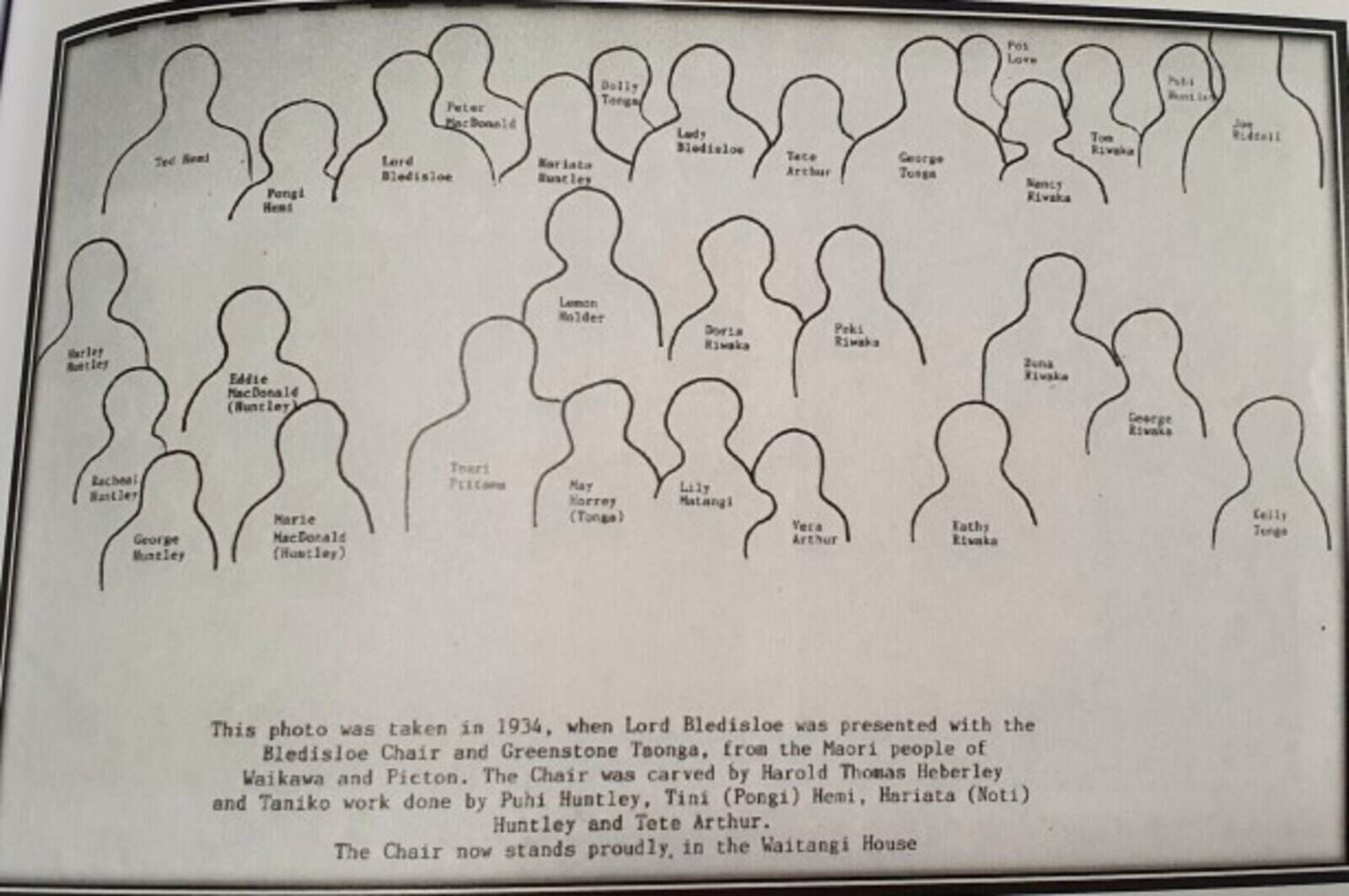
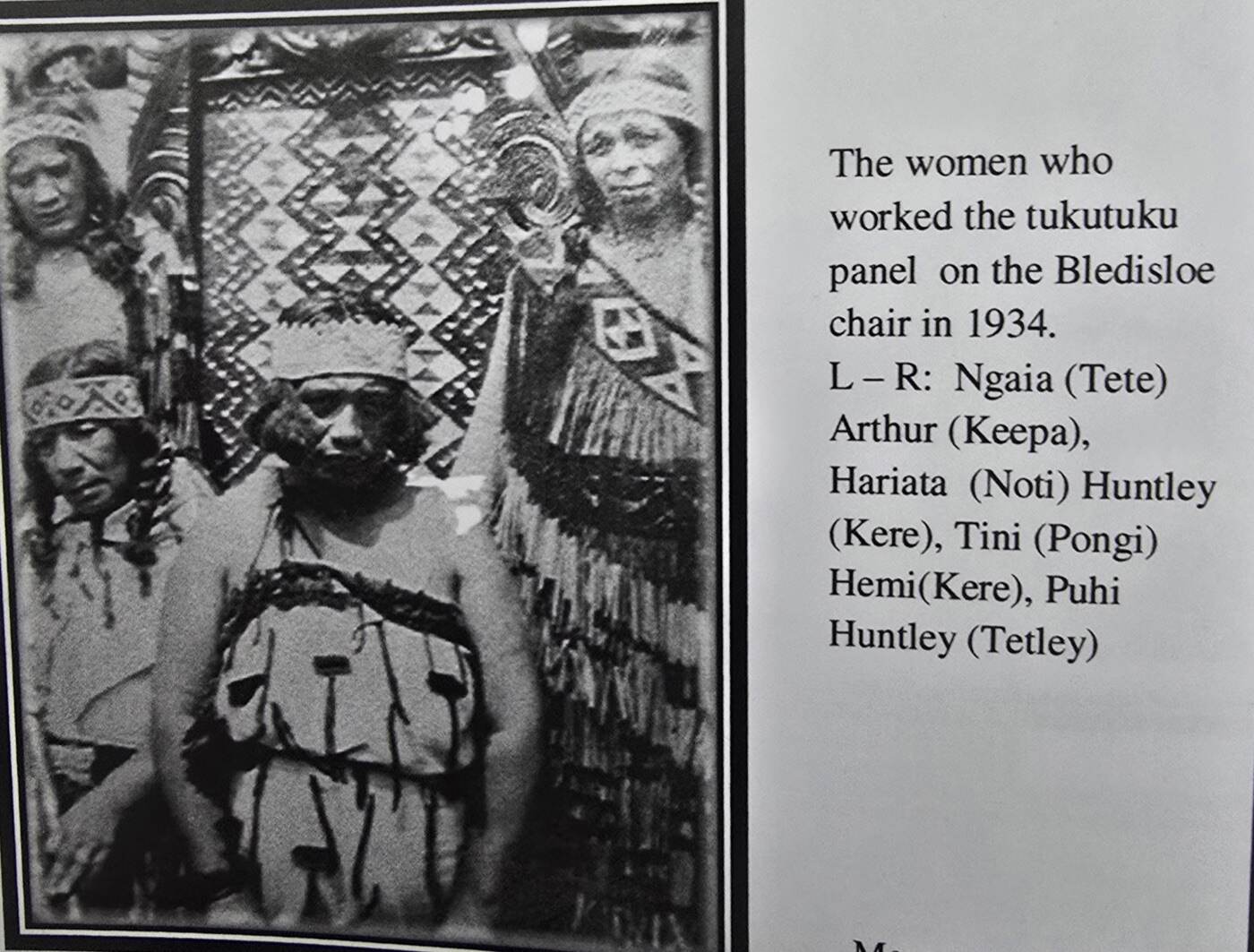
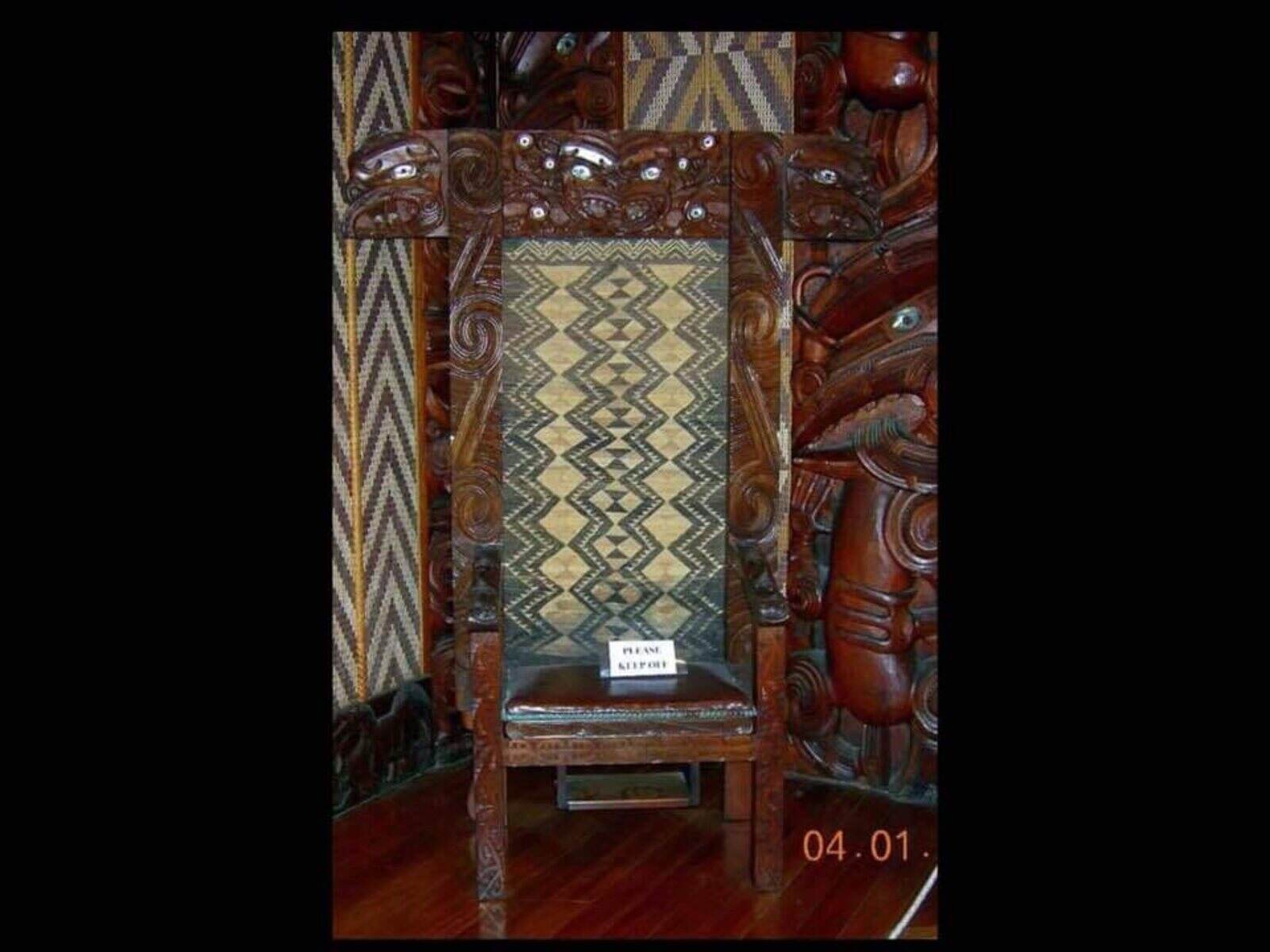
In January a carved chair was presented to the Governor General at Picton. Harold Thomas Heberley carved it. Four women worked the tāniko panels on the back of it, and they were not four women picked at random.
Hariata Huntley, née Kelly, and Tini (Pongi) Hemi were sisters. Ngaia (Tete) Arthur was their half sister. Puhi Huntley had married Hariata’s husband’s brother. Karen set these four down in her own hand on 23 August 2026.
Karen has set the line down herself. Api Kere married John Smith, an Englishman. Their daughter Hariata, known as Noti, married Charles Aldridge, and then William Huntley. Her sister Api-Wharauroa, known as Phoebe, married Henare Pene.
Three sisters and their brother’s wife, sitting together, making something slowly with their hands, and then giving it away. Hariata was Karen’s grandmother. She died twelve years before Karen was born, so they never met.
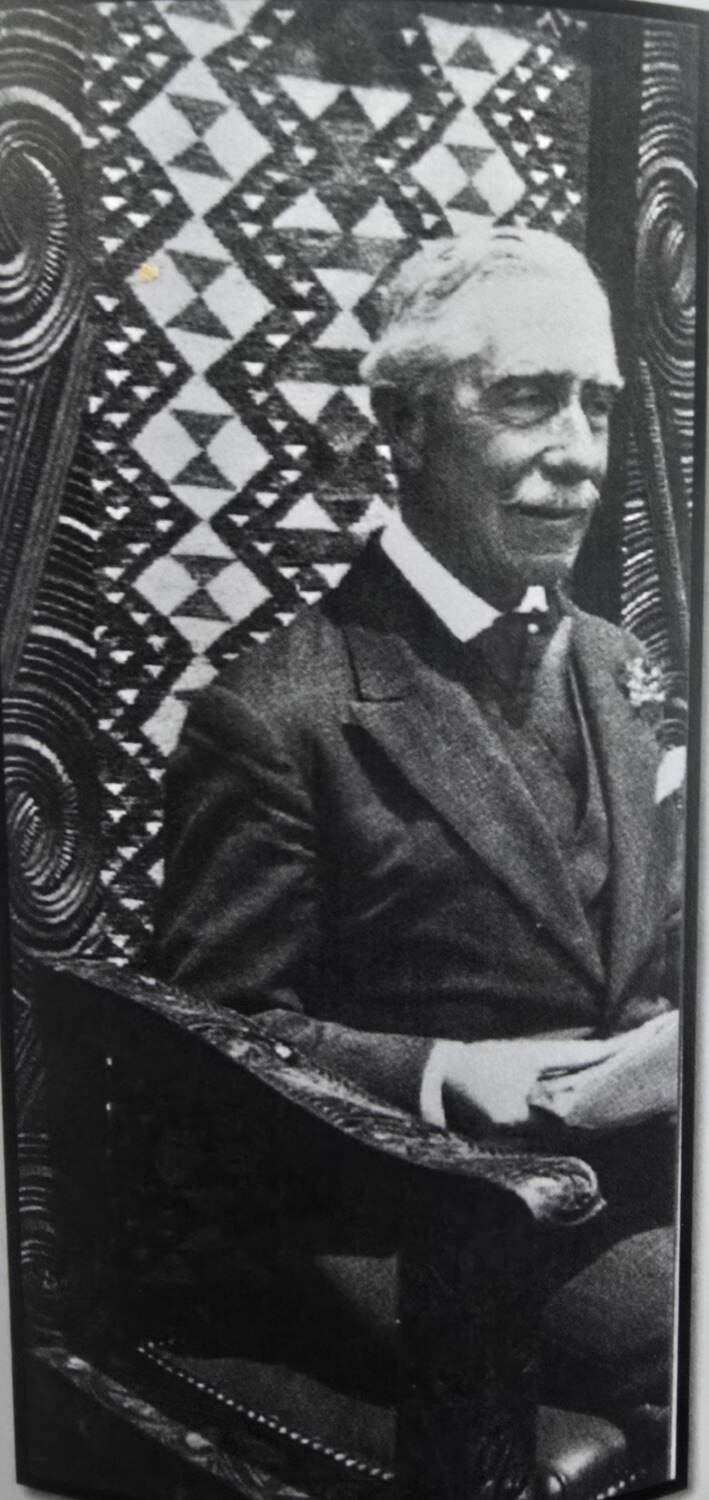
30 July, at Waikawa. Four years after she worked the chair. She dies twelve years before her granddaughter is born, so the two of them never meet.
Ossie’s brother John was the only man killed hunting a whale in fifty three years of it. The harpoon gun shell blew back into his face on 25 June and he died two days later. He was thirty one, he had been whaling thirteen years, and his wife was carrying their first.
26 April, at Picton. The whaler’s daughter marries the shark man, and two whaling families out of the same stretch of water are joined up.
1 December, at Picton, beside the water her grandfather helped build the wharf on. Twelve years and four months after Hariata died, which is why the two of them never met. She grows up out at the whaling station.
There was a one room school out at Whekenui from 1951 until it closed in 1962. Karen walked over the hill to it, or went round by sea in bad weather, jammed below deck of a whale chaser.
She has written that part herself. Read it in her own words.
Karen’s father, Oswald Te Āhuru Huntley, is in a book about it. Don Grady’s history of the Perano whalers names him and prints his photograph.
They called him the shark man of Fishing Bay, because he hunted the white pointers that came in after the whale carcasses. He rowed out in a dinghy to a small raft moored in the bay, and he took them from the raft, with a hand harpoon.
He caught the two great white sharks in July 1956. Karen’s own correction, in her hand. The big one went 5.8 metres. He sold the livers and put the money into the whalers’ end of season party. His brother Cairo managed the station, thirty two years out there, started at fourteen driving the steam winch and finished as the manager. Their father lit the boilers before either of them.
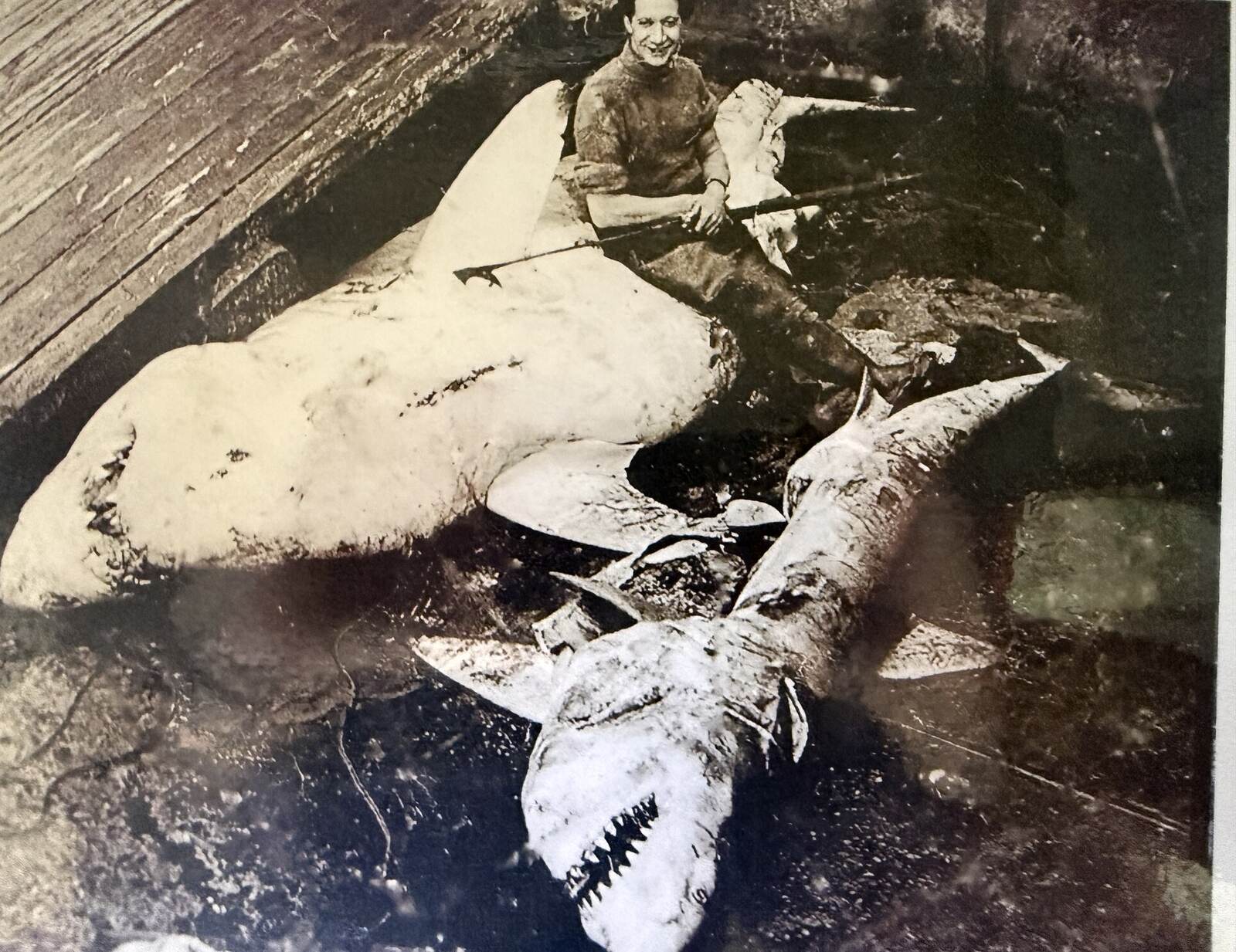
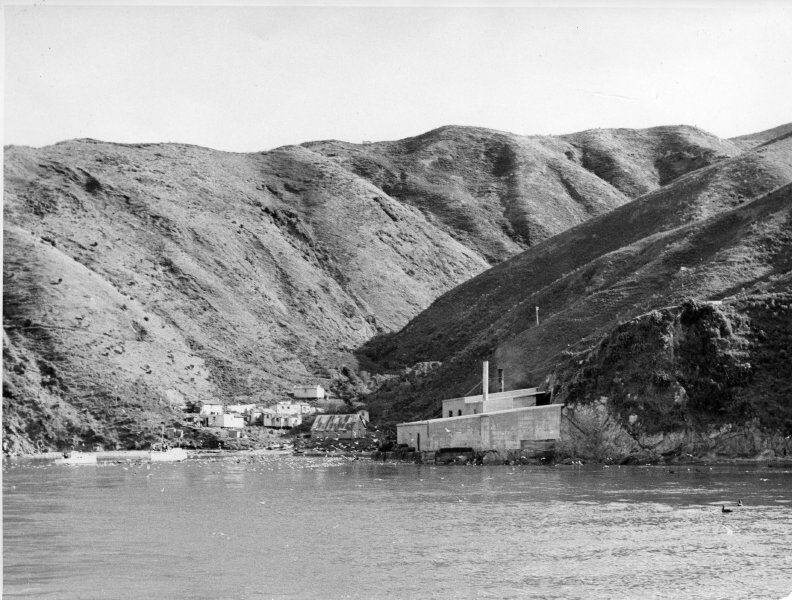
Eighteen years after Hariata.
Joe Timms outlives her by twenty years.
Soviet factory fleets took close to twenty five thousand humpbacks in Antarctic waters across two seasons and reported a fraction of it, and the shore stations in New Zealand and Australia had nothing left to catch. The Cook Strait catch fell from three hundred and sixty one whales in 1960 to nine in 1963.
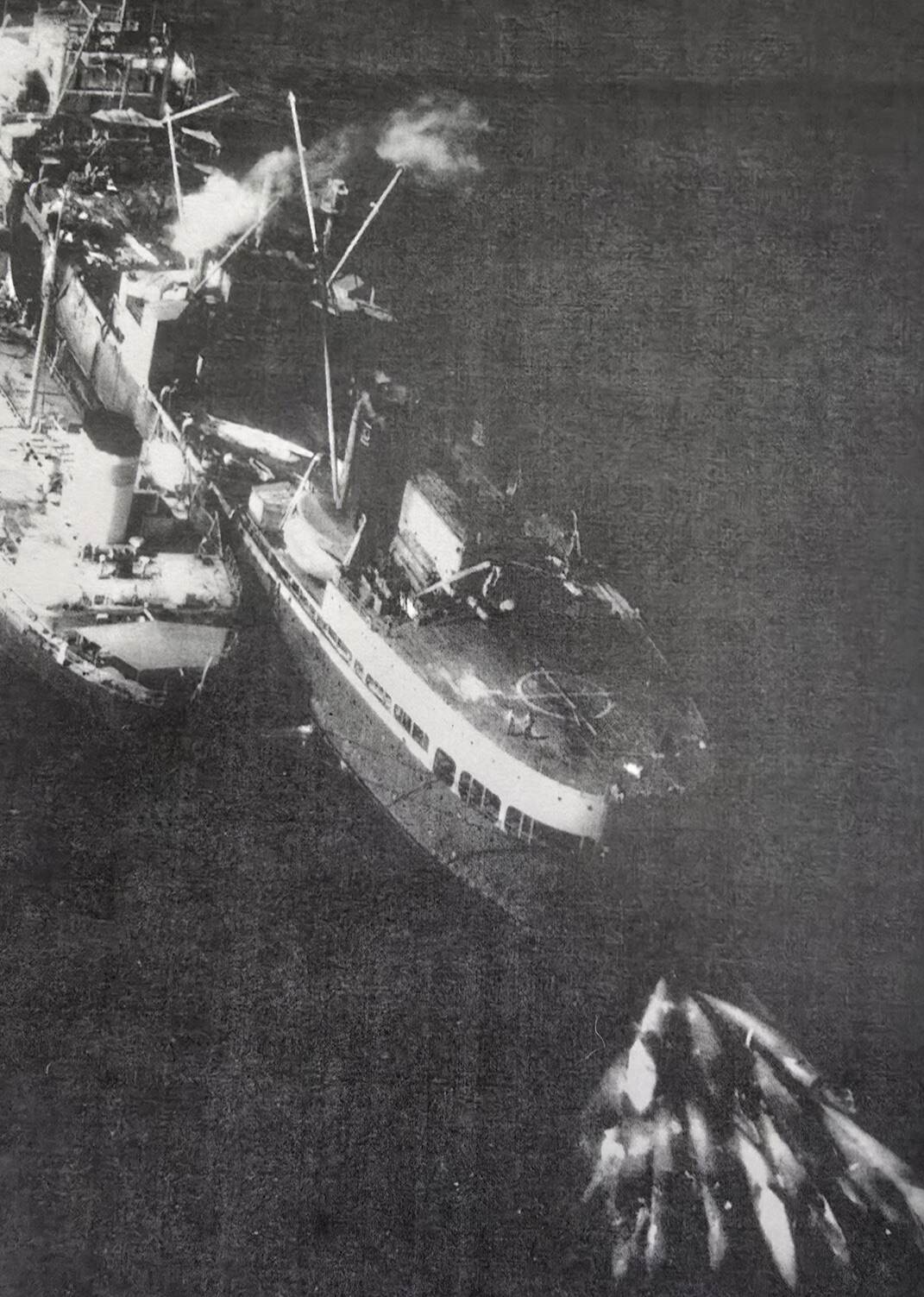
The last New Zealand whale was taken on 21 December and the station closed a fortnight later. It was the last one in the country.
This is history. It is not what this business does, and it has not been anyone’s work here since. We are not ashamed of it and we are not going to dress it up. It was hard work on cold water, it fed families, and it is part of who we are.
31 January, at Blenheim.
Odette Marie Philips. 7 February, at Gisborne. One year and a week after her brother.
29 November, at Gisborne.
12 November, at eighty nine. Buried at Picton. He told it, and it was written down, and he is the only one in the line who did.
8 March, at home. Buried at Waikawa Bay. The shark man, and the last of that working generation.
The Department of Conservation runs a whale survey from a lookout on Arapawa Island, counting the humpbacks coming back through. Some of the men doing the spotting were Perano whalers. One of them, Joe Heberley, is a named author on the scientific paper reporting the recovery.
The same eyes, on the same water, counting instead of hunting.
25 August, at home. Buried at Waikawa Bay, beside Ossie, nineteen years after him. Karen’s mother.
May. She was forty six.
Karen has never seen the chair. So she did the only thing she could do. She got photographs of the panel her grandmother worked, and she sat down and stitched the pattern out by hand, thread by thread, until she had it. Ninety one years after her grandmother worked the original, Karen worked it again in her own front room in Queensland. Same pattern, same two colours, different hands. The mark on this shop comes off her stitching.
The family has come back in around her. Both her sons are in the house. So is her grandson. There is a great grandson too, the first of the next lot.
Karen is in her chair with the needles going. Cardigans, blankets, hats, booties. One at a time, for whoever is arriving.
At the end of this year she takes her korowai back to Waitangi House to meet her grandmother.
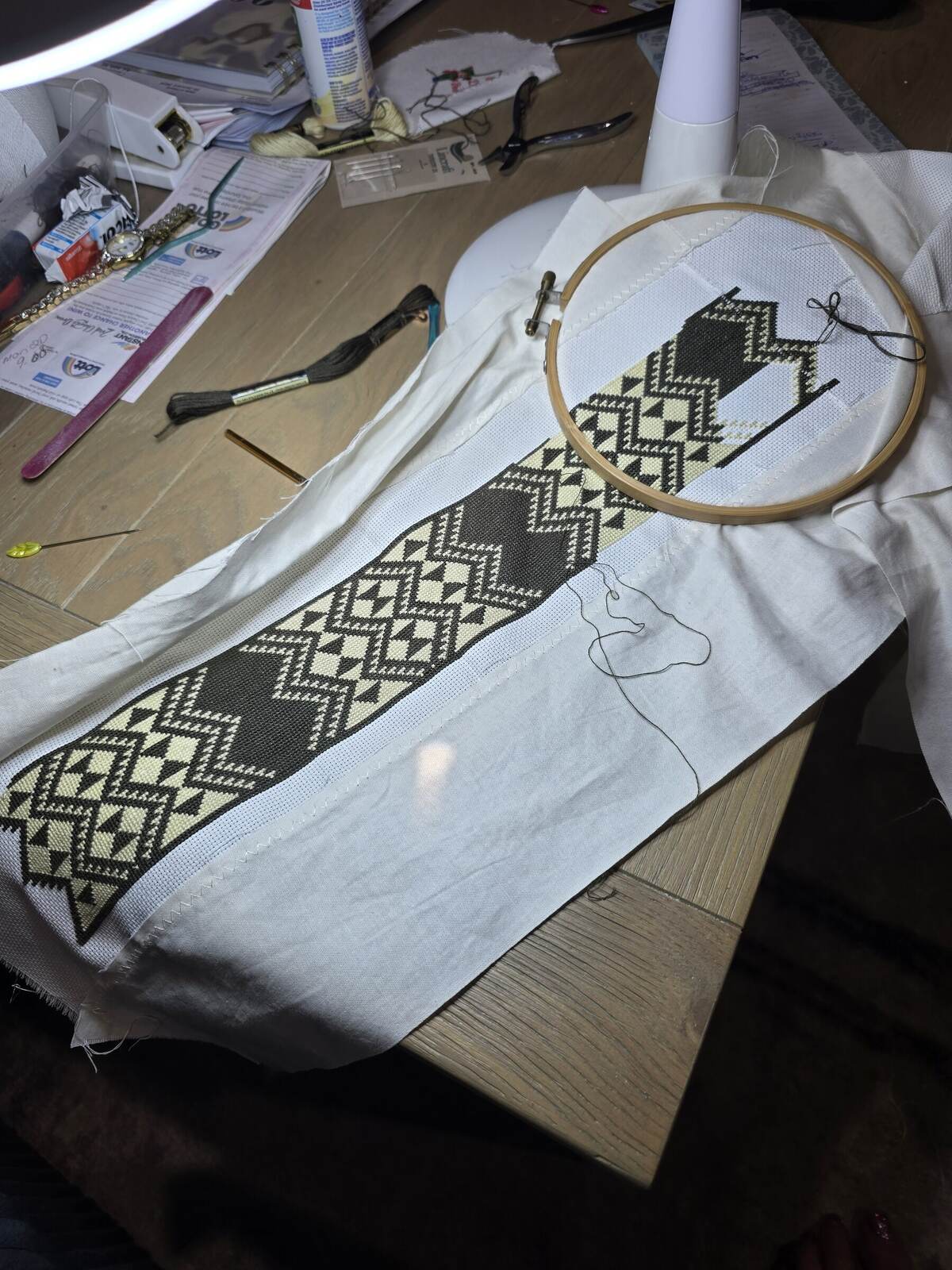
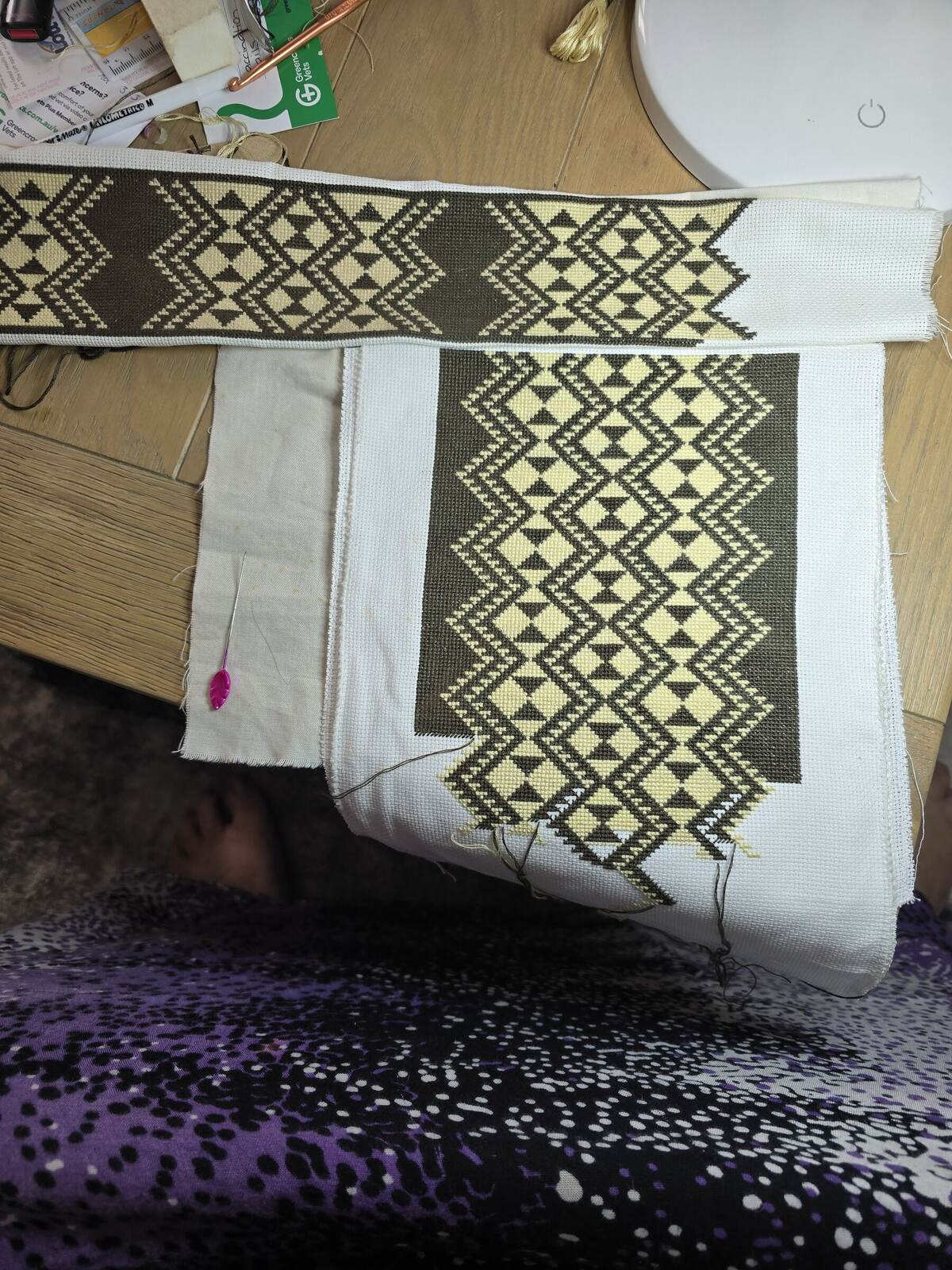
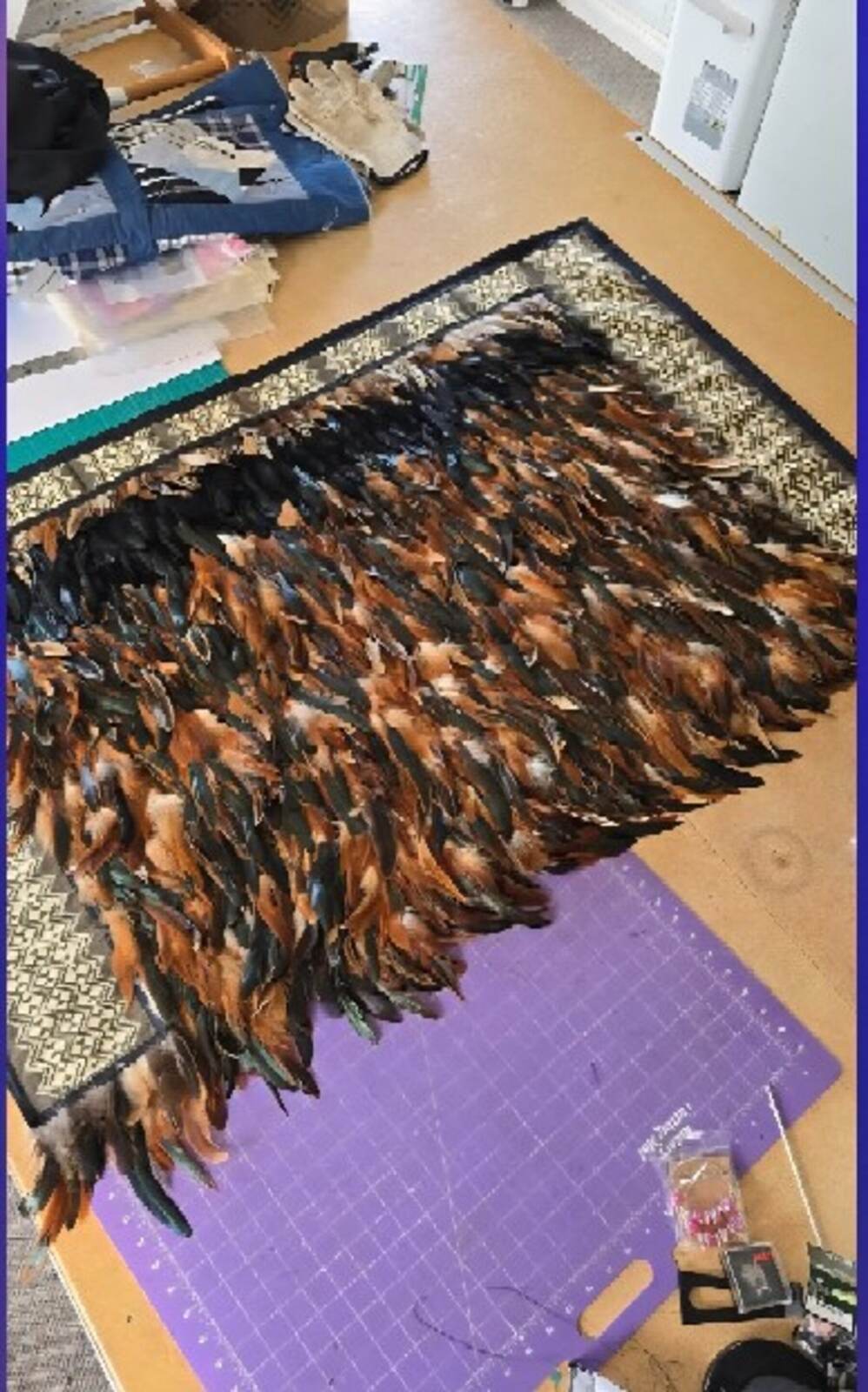
This family is much bigger than what is written here. The line runs deeper than one page, and most of it is not on this one.
What is here is what Karen carried, and what the family can show a record for. That is the only reason a name is on this page or is not.
There is more to this than we hold, and more than we are aware of. If you have a name, a date, a photograph or a story that belongs on this line, we want it.
It is put down out of love and remembering, and it is shared for the people who would care about it. It is not finished.
Every date and every name above comes from a written record. Joe’s photographs are reproduced from the book built out of his own recollections. Where we could not verify something, it is not here.
The line
The family descends from the iwi of Te Tau Ihu, the top of the South Island. Karen's whakapapa was recited in sworn testimony by her own brother, eleven iwi deep, and traced back seventy two generations to Kupe.
Karen wrote it down. Sixty feet of paper, in her handwriting, names all the way back.
There is a Scottish sea captain in there too, who came ashore at Port Underwood and married into the family. He is buried at Tahuahua, Blackwood Bay in the Marlborough Sounds.
Karen wrote down how that came about, and it is the hardest month in the whole sixty feet.
October of 1911 was the black month in which death began to take its toll of the Tahuahua families. On the 4th a baby girl was born to Mrs Tom Woodgate at their home in the bay, her eleventh child. In a weak state after giving birth she contracted pneumonia and was taken to Picton, to the hospital, where she died on the 10th at the age of thirty eight. Her baby only six days old.
Mrs Woodgate’s mother, Mrs Huntley, who probably attended her daughter at the birth, caught the infection, and four days later she too was dead. She passed away at home without being taken to hospital.
The next was the Woodgates’ eldest son, Thomas Junior, who the following week, on the 21st, died at the Picton hospital of acute pneumonia, aged eighteen.
Yet another tragedy was to come. Old Captain Huntley, who in the space of eleven days had lost his daughter, then his wife, and then a grandson, himself succumbed on the 29th. The cause of death was stated as “influenza pneumonia” and his age was given as sixty eight.
All four were buried on the spur just south of the Huntleys’ home in Tunaamai. As far as Karen knows these were the first interments there, although several more were to follow.
People who made things. People who wrote things down. It runs in the family and it did not skip her.
Where it is made
Everything in this shop is made in that house. If you buy something, she made it, and she will know it has gone.
How we tell this
Everything on this page comes from records the family holds or from published sources anyone can check. Where something is family memory rather than documented fact, we say so. Where we do not know, we have left it out rather than filled it in.
Karen approves everything written about her, her family and her work before it appears here.
The family descends from the iwi of Te Tau Ihu. This is a family business, not an iwi one, and it does not speak for anybody but itself.
No made up history, no borrowed heritage, no story that cannot be shown to somebody who asks.