In March 1810, in a courthouse in Galway, a young man of about twenty was found guilty of theft. No record of what he took has survived. The sentence has. Seven years, to be served on the other side of the world.
His name was Patrick Norton. Don Wilson tells his life in Whaler by Providence, and most of it comes from the papers the colony kept about him. There turn out to be a lot of them.
After nine months in the Galway gaol he was moved to Cork, perhaps on foot and in chains. Nobody knows. Late in 1810 the ship Providence sailed for New South Wales with Patrick among her prisoners, and in 1811 she reached Sydney.
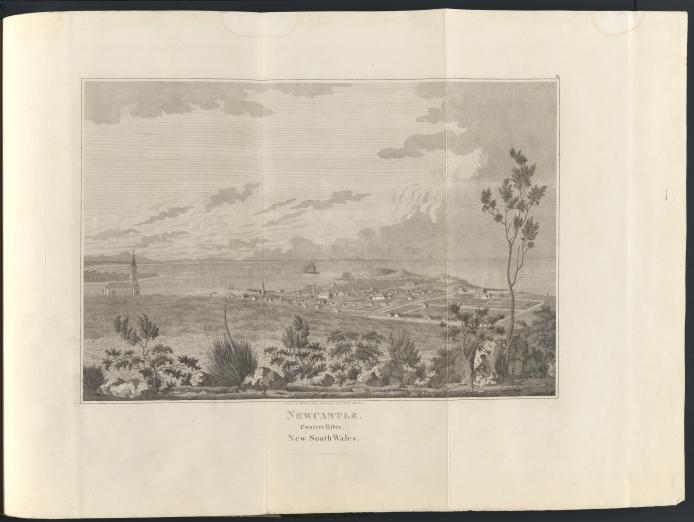
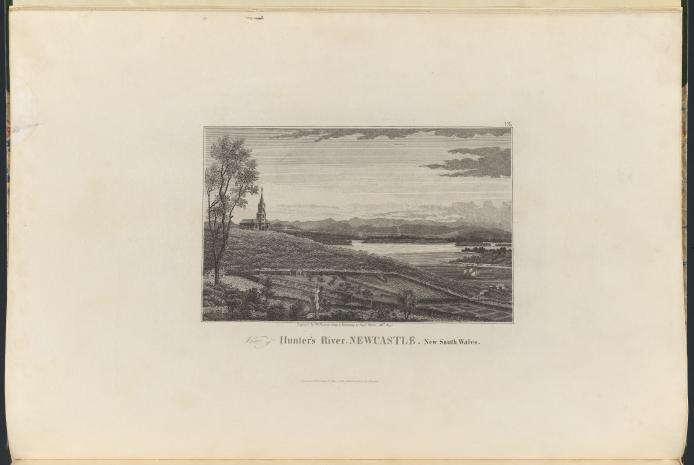
Two years after he landed he was in trouble again. Nobody knows what for, but Governor Macquarie sent him up the coast to the penal settlement at Newcastle, two years of hard labour on short rations. About ten months in, he ran. He walked all the way back to Sydney, and it didn't last. In April 1814 they sent him back to Newcastle in double irons for another two years. In October 1815 he and two others were caught stealing, and he took fifty lashes. Wilson writes that he carried the scars for the rest of his life.
Then comes the part I like best.
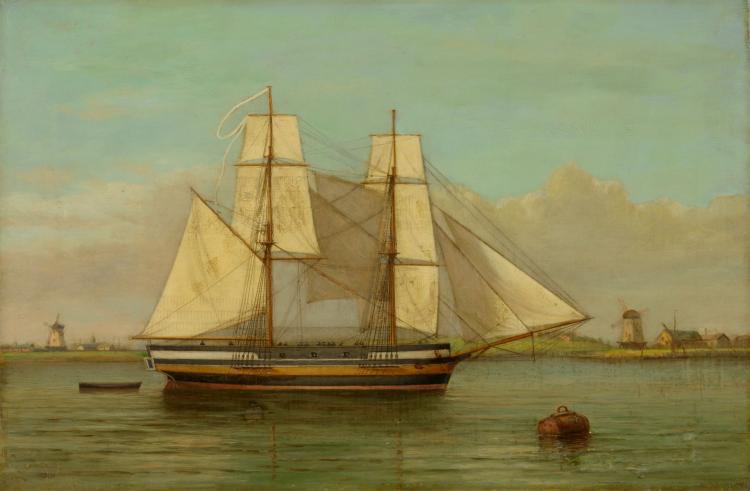
In May 1816 Patrick seems to have told them at Newcastle that his seven years were up. They weren't. He had ten months to go. A new commandant was taking over, the paperwork was in a muddle, and Patrick got himself onto the brig Lady Nelson, bound for Sydney with coal and cedar and a handful of freed convicts.
At Sydney the others were let off the ship. Patrick wasn't. The Colonial Secretary had checked the records. Patrick never set foot on the Sydney shore, and the Lady Nelson carried him back to Newcastle for another year.
The Colonial Secretary's letter still survives. In a postscript he wrote that this man was tried at Galway in March 1810 and his time would not run out until March the next year. Beside his name, in brackets, he wrote two words.
"not Norton"
He meant a different man, Thomas Norton, a well-known escaper. Patrick wasn't being treated as a runaway. He was still going back.
In March 1817 his seven years were finally up, and about eight months later he had the paper that proved it, his certificate of freedom. He petitioned for land. The petition said he had kept an "irreproachable Character" ever since he landed, and said nothing about Newcastle. He was granted thirty acres at Picton, the one in New South Wales, later raised to fifty, and there's no sign he ever farmed them. For a while he was a constable in Sydney, and like most of the constables he couldn't sign his own name.
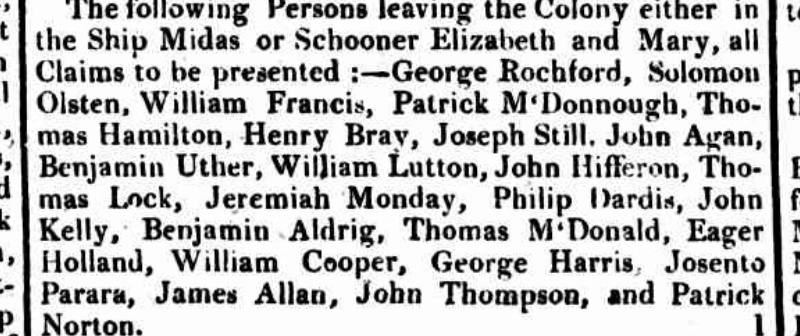
In 1821 he left. On 24 February the Sydney Gazette printed a list of men leaving the colony, and his was the last name on it. He signed on to the Midas, and then, just before she sailed, the paper that proved he was free was gone. He had to swear to how he lost it.
"intoxicated in liquor and my pocket was picked of the Certificate and also some dollars."
That is the only time I hear his own voice in any of it.
We don't know what he stole in Galway, or why he was sent to Newcastle. Wilson uses Norton, and I've used it here. If anyone has seen his 1821 sworn statement in the original, I'd love to see it.
Ten years later he came to Te Awaiti, in the Marlborough Sounds, and that's where our side of the family begins. Mum's line comes down from him through his son Thomas William. That's the next part.
Sources are in the comments.
◆